How to Remove Tan from Face Naturally and Effectively
6 min read


IN THIS ARTICLE
- 01
- 02
- 03
- 04
- 05
- 06
- 07
- 08
- 09
- 10
- 11
If your skin tone still looks blotchy months after sun exposure—it’s pigmentation that’s settled in. Long-term tan occurs when UV exposure triggers deeper melanin production, making your complexion uneven and dull. The good news? You can get rid of tan on face with result-oriented skincare and treatments.
This guide explains why facial tan lasts so long, how sun exposure affects your skin’s health, and what treatments—both natural and professional—can help bring back your natural skin tone.
Why Does a Tan from the Sun Last So Long on Your Face?
Melanin is your body’s natural defense against UV rays. When your skin is exposed to the sun, it produces more melanin to shield deeper layers from damage. Over time, with repeated exposure, melanin accumulates beyond the surface—and this is when the tan becomes long-lasting and stubborn.
Facial skin is thinner and more exposed than the rest of your body, making it more susceptible to deep pigmentation. Your natural skin tone matters too—medium to darker skin tones tend to retain melanin for longer periods, meaning the tan fades more slowly without intervention.
The Process of Melanin Production as A Defense Mechanism
Melanin is produced by melanocytes in response to UV damage to protect underlying tissues. This increased pigment helps block further UV penetration, but also results in a visibly darker tone, which is why many search for how to remove tanning from face effectively.
Skin Layers Affected by Prolonged Exposure to UV Rays
Long-term sun exposure doesn’t just affect the surface. It pushes melanin into deeper layers of the skin, especially the epidermis and upper dermis, making the pigmentation more difficult to remove tan from face completely.
Differences in Skin Tone and How It Affects Tan Retention
Those with medium to dark complexions have more active melanocytes, so they tan faster and retain pigment longer. Lighter skin may burn faster, but tan typically fades sooner.
The Impact of Sun Exposure on Skin Health
Sun exposure does more than just tan your skin—it compromises skin health over time.
1. Increased Risk of Sunburn, Pigmentation, And Premature Aging
Prolonged UV exposure accelerates aging, leading to fine lines, dark spots, and uneven texture. It also causes sunburn, which can lead to peeling, sensitivity, and long-term pigmentation. Learning how to get rid of suntan early can prevent such issues.
2. Damage to Collagen and Elastin Fibers From UV Exposure
UV rays break down Collagen and Elastin—the proteins responsible for skin’s firmness and elasticity. This leads to sagging, fine lines, and dullness.
3. How Sun Damage Affects the Face Differently Than the Body
Because the face is constantly exposed and has thinner skin, it's more prone to deep, visible damage—making how to remove tan from face a common concern compared to other areas.
Can Long-Term Tan Be Removed?
Yes, it can—but it takes time and consistency.
1. Complete Removal Depends on Skin Type and Tan Severity
Lighter tans that only affect the surface may fade within weeks. But if the pigment has settled deeper, or if you have a medium to dark skin tone, complete removal can take several months.
2. The Gradual Fading Process Over Weeks to Months
Cell turnover naturally brings fresh, untanned skin to the surface. With the right routine, you’ll start to get rid of tan on face and see improvements in tone and clarity within 4–6 weeks. Long-term tan may take up to 3–6 months.
3. Achieving Even Skin Tone Vs. Complete Removal
The goal shouldn’t be total “de-tan” but restoring an even tone and healthy texture. Supporting your skin’s natural renewal is key.
Factors That Affect Long-Term Sun Tan Removal
1. Skin Type: Dark, Medium, Or Light Skin Tones
Darker tones have more melanin, which stays longer. Lighter skin fades faster but is also more prone to redness and sunburn.
2. Depth of The Tan: Surface-Level or Deeper Pigmentation
Shallow tans respond quickly to exfoliation and brightening products. Deeper pigmentation needs prolonged and targeted care.
3. Age and Skin Elasticity Affecting Recovery Speed
Younger skin regenerates faster. As you age, cell turnover slows, making how long it takes to remove tan dependent on individual skin health.
4. Consistency in Treatment and Lifestyle Changes
Sporadic use of products won’t help. A consistent skincare routine, hydration, and sun protection are essential.
Effective Ways to Reduce Years Old Tan From Face
1. Vitamin C Serum for Tan Removal and Skin Brightening
Vitamin C Serum helps reduce melanin production, fade dark spots, and brighten dull areas. Use a stable serum every evening and follow with sunscreen in the morning. This is one of the most effective ways for how to remove tanning from face naturally.
2. Sunscreen: A Must-Have for Tan Prevention
Sun protection is non-negotiable. Use Sunscreen SPF 50 daily and reapply every 2–3 hours when outside. This prevents further tanning and allows your skin time to recover. Regular use is crucial to remove tan from face and maintain results.
3. Vitamin C Face Wash for a Radiant, Tan-Free Skin
A brightening Vitamin C face wash with antioxidants like Vitamin C gently removes impurities while helping restore your natural glow. Use it twice a day for best results.
Tan Removal Face Masks for Instant Glow
Clay tan removal face mask and Niacinamide-based masks help unclog pores, reduce surface pigmentation, and refresh skin. Apply 2–3 times a week.
1. Exfoliation for Deep Skin Renewal
Dead cells trap pigment. Use mild chemical exfoliants (like AHA or BHA) once or twice weekly to boost cell turnover. Avoid harsh scrubs that can irritate facial skin. This step accelerates how to remove tan from face immediately for visible brightness.
2. Tranexamic Acid Serum for Targeted Tan Removal
A Tranexamic Acid Serum has ingredients that block melanin pathways and fade stubborn dark spots. Apply at night and always wear oily skin sunscreen during the day.
Home Remedies for Tan Removal
1. Lemon and Honey Mask for Tan Removal
Lemon contains natural bleaching acids, while honey soothes and hydrates. Apply the mixture as a de tan face mask for 10–15 minutes several times a week. Always follow up with SPF to avoid sensitivity. This is a great method for how to get rid of suntan naturally.
2. Cucumber and Aloe Vera for Skin Rejuvenation
These ingredients calm, cool, and hydrate sun-damaged skin. Use fresh aloe vera gel or cucumber juice after sun exposure for best results.
Professional Treatments to Remove Long-Term Tan from Face
1. Chemical Peels
These remove the outer pigmented layers and promote even-toned skin regeneration. Always consult a dermatologist for the right peel type for your skin.
2. Laser Treatments
Laser therapy targets deeper melanin deposits to break them down. It’s effective for stubborn pigmentation but may require multiple sessions for those seeking how to get rid of suntan quickly.
3. Microdermabrasion
This exfoliating treatment helps improve tone and texture by removing the uppermost layer of skin. Works well for surface-level pigmentation and is effective to remove tan from face when combined with proper aftercare.
How Long Does It Take to Remove a Long-Term Tan?
Factors Affecting the Speed of Tan Removal
- Depth and severity of the tan: Deeper tans take longer to fade.
- Consistency with skincare treatments: Results depend on how regularly and correctly you use products.
- Age and skin’s ability to regenerate: Younger skin heals faster; older skin may need more support and time to get rid of tan on face fully.
If you’re wondering how long it takes to remove tan, most people start seeing results in 4–6 weeks with consistent care.
Related Reads:
1. How to remove tan from neck
2. How to remove tan from body
3. How to remove tan from legs
4. How to remove tan after swimming
Conclusion
Long-term tan doesn’t have to be permanent—but reversing it requires a thoughtful, consistent skincare routine. Focus on brightening, exfoliation, and sun protection. Whether you choose gentle home remedies, targeted skincare, or professional treatments, be patient. With time and care, you’ll remove tan from face and help your skin regain its natural glow.
FAQs
1. How to protect skin from sun tan?
Ans. Apply SPF 50 or higher every day, regardless of the weather. Reapply every 2–3 hours outdoors, and wear hats or scarves for added protection.
2. Why my skin gets tanned easily?
Ans. You might have more active melanocytes that produce melanin quickly in response to UV exposure. Genetics and your skin type play a big role.
3. Can we use de tan pack daily?
Ans. No, using de-tan packs every day can irritate the skin. Limit usage to 2–3 times a week for safe and effective results.
Best Foxtale Serums for Glowing Skin (2026 Guide)
How Can I Get Rid of Tanning Within a Week?
These articles are reviewed and written by Foxtale's content and skincare research team. Our content is developed using published skincare research, dermatologist guidance, ingredient studies, and consumer education principles to help readers make informed skincare decisions.
Related
Products
Super Glow De-tan Face Wash
Deep pore-cleansing for instant glow
See Reviews
₹ 249
GLOW20

Rapid Spot Reduction Drops
Fades dark spots & patches
See Reviews
₹ 1
₹ 249
GLOW20

GLOW HERO
Super Glow Illuminating Moisturizer
Glowing skin from first use
See Reviews
₹ 495
GLOW20

GLOW HERO
Skin Radiance De-Tan Mask
De-tans and brightens in 10 minutes
See Reviews
₹ 545
GLOW20
Most Read


How Can I Get Rid of Tanning Within a Week?
5 min read

IN THIS ARTICLE
- 01
- 02
- 03
- 04
- 05
- 06
- 07
- 08
- 09
- 10
Tanning may be common, but that doesn’t mean it’s harmless. Whether from long commutes or a beach trip, sun exposure triggers melanin production, which darkens the skin to protect it from UV damage. But once the tan sets in, you’ll need more than a de tan face wash to get rid of it.
Let’s walk through how to remove tan in just seven days—without damaging your skin barrier in the process.
What Causes Skin Tan?
When your skin is exposed to UV rays, it produces melanin as a defense. That buildup is what creates visible tanning.
Why Removing Tan Quickly is Important for Your Skin Health
While some consider tan temporary, leaving it untreated can lead to uneven tone, dark patches, and premature aging. Tackling it early helps restore your natural skin tone and prevents long-term damage.
How Can I Remove Tan in 7 Days?
If you're wondering how to remove tan effectively within a week, the key is following a routine that combines exfoliation, brightening, hydration, and sun protection. Here’s how to approach it.
- Exfoliate to Remove Dead Skin Cells
Tan settles in the outermost skin layers. Removing dead cells helps fresh skin resurface faster.
- Why Exfoliation is Crucial in Tan Removal
Exfoliation accelerates cell turnover, allowing fresh, untanned skin to appear more quickly.
- Exfoliating Products for Quick Results
Use a chemical exfoliant 2–3 times this week. A product like AHA BHA serum combines Glycolic Acid and Salicylic Acid to dissolve buildup and clear pores without scrubbing.
However, to remove a body tan in just 7 days, you need a high-performance treatment for your limbs. We recommend our Detan Body Wash. It features an 8% De-TanX Complex™ (Glycolic + Lactic Acid) and India’s first After-Sun Reset System. Infused with Calendula Extract, it ensures that while you are removing your tan at lightning speed, your skin barrier stays hydrated and calm.
- How Often Should You Exfoliate for Tan Removal?
Stick to 2–3 times per week. Overdoing it can damage your skin barrier and delay healing.
- Use De-Tan Face Wash and Brightening Agents
Replace your regular cleanser with a de-tan face wash designed to reduce pigmentation.
- How a De-Tan Face Wash Helps in Tan Removal
It helps remove dull surface cells and supports brightness. Look for ingredients like Vitamin C or Niacinamide.
How to Effectively Use De-Tan Face Wash for Maximum Results
Use it twice a day, and massage it in for 30 seconds before rinsing. This allows the actives to work effectively.
1. Skin Brightening Serums for Tan Removal (Vitamin C Serum)
Vitamin C helps fade tan, reduce melanin production, and brighten your complexion. Apply it every morning after cleansing and before moisturizer.
2. Natural Ingredients for Skin Brightening (Lemon, Aloe Vera, Turmeric)
These ingredients help lighten pigmentation naturally. Aloe vera soothes, lemon mildly exfoliates, and turmeric reduces dullness.
3. Use a De-Tan Face Pack
For quicker results, use a de tan face pack 2–3 times during the week. This step is especially helpful if you're looking for how to remove tan instantly while also calming sun-exposed skin.
Why De-Tan Face Masks Are Effective for Removing Tan
They help draw out impurities, calm inflammation, and visibly improve tone.
1. Best De-Tan Face Masks and How to Use Them
Apply an even layer, leave it on for 10–15 minutes, and rinse with cool water. Always follow up with a moisturizer.
2. Hydrating Ingredients That Promote Skin Repair
Exfoliating and brightening products can dry out your skin. Hydrating ingredients like Hyaluronic Acid, Aloe Vera, or Glycerin soothe and repair.
3. Protect and Maintain Your Tan-Free Skin
No tan removal plan is complete without sunscreen.
4. Daily Sunscreen Application to Prevent Re-Tanning
UV rays continue to trigger melanin—even through windows or on cloudy days. Apply a broad-spectrum sunscreen every morning.
5. How to Maintain Clear Skin After Tan Removal
Stay hydrated, follow a gentle routine, and avoid mid-day sun to maintain results.
Advanced Skin Treatments for Faster Tan Removal
1. Chemical Peels for Deep Tan Removal
If your tan is deep or uneven, a dermatologist may recommend a Glycolic or Lactic acid peel. These treatments remove surface pigmentation faster than OTC products.
2. Laser Treatments for Stubborn Tan Removal
For deep, persistent tan, laser treatments like Q-switched Nd:YAG can help. These should only be performed by a trained professional.
Diet and Lifestyle Tips to Accelerate Tan Removal
1. Foods That Help Fade Tan and Promote Skin Health
Your diet plays a key role in how quickly your skin repairs and regenerates.
2. Vitamin-C Rich Foods for Skin Brightening
Oranges, amla, guava, and bell peppers help suppress melanin and support skin recovery.
3. Hydrating Foods to Boost Skin Repair
Cucumbers, watermelons, and leafy greens provide water and antioxidants to aid healing.
4. Avoid Sun Exposure and Further Skin Damage
During these 7 days, avoid stepping out in the peak sun and wear protective clothing.
5. The Role of Sun Protection in Maintaining Tan-Free Skin
Sun protection keeps skin safe from further darkening while it heals.
6. Effective Sun Protection Measures (SPF, Clothing, Shade)
Use SPF 30+ daily, reapply every 2–3 hours outdoors, wear full sleeves, hats, and stay in the shade when possible.
Common Mistakes to Avoid While Removing Tan in a Week
1. Over-Exfoliating and Irritating Your Skin
Using scrubs or acids too often can irritate or inflame the skin. Stick to 2–3 exfoliation sessions per week.
2. Ignoring Skin Sensitivity After Tan Removal Treatments
Skin may be more reactive after exfoliation or masks—use calming ingredients and avoid actives if irritation occurs.
3. Skipping Sunscreen During Treatment Phase
Even a little sun without SPF can undo your progress. Apply sunscreen for oily skin daily, indoors and out.
Related Articles:
1. How to remove tan from neck
2. How to remove tan after swimming
3. How to remove tan from arms
4. How to remove tan from body
Conclusion
You can absolutely fade a tan in a week with the right routine. Focus on gentle exfoliation, targeted brightening, deep hydration, and consistent sun protection. Combine smart skincare with a supportive diet—and your natural skin tone will return faster than you think.
FAQs
1. How to avoid sun tan?
Ans. Apply SPF 30+ every day, wear full-sleeve clothing, and avoid peak UV hours. Reapply sunscreen when outdoors for long periods.
2. How to remove lip tan?
Ans. Use a gentle lip scrub twice a week. Apply honey or aloe vera at night. During the day, use a lip balm with SPF.
3. Can coffee remove tan?
Ans. Coffee can help mildly exfoliate, but it won’t remove tan as effectively as actives like AHAs or Vitamin C.
4. What's the fastest way to remove tan?
Ans. Use a combination of chemical exfoliation, a Vitamin C serum, and a de-tan mask—along with daily sunscreen and hydration. Visible results often appear within 5–7 days.
How to Remove Tan from Face Naturally and Effectively
How to Remove Tan Instantly in 15 Minutes (Scientifically Proven)
These articles are reviewed and written by Foxtale's content and skincare research team. Our content is developed using published skincare research, dermatologist guidance, ingredient studies, and consumer education principles to help readers make informed skincare decisions.
Super Glow De-tan Face Wash
Deep pore-cleansing for instant glow
See Reviews
₹ 249
GLOW20

BESTSELLER
Vitamin C Serum
Fades pigmentation & brightens skin
See Reviews
₹ 645
GLOW20
Most Read
How to Remove Tan Instantly in 15 Minutes (Scientifically Proven)
5 min read

IN THIS ARTICLE
- 01
- 02
- 03
- 04
- 05
- 06
- 07
- 08
- 09
Sun Tanning Is a Common Skin Concern
Tanning is a common skin concern, especially in Indian summers. Even a few minutes under the sun can leave your skin looking darker, uneven, and dull. But here's the good news: you don’t need a lengthy salon session for instant tan removal. With the right products, how to remove tan instantly becomes quick, easy, and effective done in just 15 minutes.
This simple tan removal routine helps remove tan efficiently, exfoliates dead cells, and revives your natural radiance leaving your skin looking brighter, clearer, and more refreshed.
Why a Quick Tan Removal Routine Is Essential for Your Skin
Understanding Tan and Its Impact on Skin
Tan develops when your skin produces excess melanin in response to UV exposure. While it's your skin’s way of protecting itself, it often leads to dullness, uneven tone, and lingering pigmentation. The most common areas affected are the face, arms, and neck.
A fast-response routine prevents melanin buildup from settling in too deep. Regular exfoliation, targeted treatments, and hydration help remove surface tan while keeping your skin healthy and glowing.
By following a consistent tan removal routine, you can learn how to remove tan fast and maintain smooth, radiant skin all summer long.
How to Remove Tan Instantly in 15 Minutes
Wondering how to remove tan instantly? Just three targeted steps; cleanse, treat, and moisturize are all it takes. This 15-minute tan removal routine uses effective, skin-friendly ingredients that work quickly to reduce tan and restore glow without being harsh or time-consuming.
Step 1: Cleanse with Papaya Face Wash for a Fresh Start
Papaya-based de-tan face wash are a go-to for gentle exfoliation and surface tan removal. The natural enzyme papain breaks down dead skin cells, revealing smoother, brighter skin underneath.
Use a de tan face wash enriched with papaya extract, Vitamin C, and mild cleansing agents. This face wash clears out dirt, dullness, and impurities without stripping the skin’s natural oils. It’s perfect for prepping your skin before instant tan removal treatment.
How to Use Papaya De-Tan Face Wash
1. Wet your face with lukewarm water.
2. Gently massage the face wash in circular motions for 30–60 seconds.
3. Rinse thoroughly and pat dry.
Step 2: Apply a Clay Mask to Detoxify and Even Skin Tone
Clay masks are powerful yet gentle solutions for instant tan removal. They draw out deep-set impurities, reduce excess oil, and promote an even skin tone. When combined with brightening agents like Niacinamide and Vitamin C, results are even faster and more visible.
Benefits of De-Tan Clay Masks for Tan Removal
1. Apply Skin Radiance De-Tan Face Mask an even layer to clean, dry skin.
2. Leave it on for 10 minutes.
3. Rinse with cool water and gently pat dry. You’ll see immediate improvement in tone and texture after use.
Step 3: Moisturize to Lock in Hydration and Softness
Why Moisturizing Is Important for Tan Removal
Post-treatment skin needs hydration to recover and stay radiant. Moisturizing not only soothes and softens but also supports the skin barrier helping reduce the appearance of tan and preventing dryness or irritation.
Many people wonder, does moisturizer remove tan? While it doesn’t directly remove deep pigmentation, it plays a crucial role in keeping your skin even-toned and bright. So, if you’ve ever asked, does moisturizer remove tan, the answer is it helps sustain your detanning results effectively.
Look for a Lightweight Formula with Brightening & Hydrating Ingredients.
Use a Vitamin C Moisturizer formulated with Vitamin C and Hyaluronic Acid. This moisturizer boosts hydration, enhances glow, and repairs skin without feeling heavy.
Remember, when choosing how to remove tan fast, hydration through moisturizers is key. And yes does moisturizer remove tan? It helps lighten and maintain your natural glow over time.
Step 4: The 60-Second "Body Reset" for Instant Brightening
If you have 15 minutes for a face mask, you have 60 seconds for your body. Most people neglect their arms and neck during an instant de-tan session, leading to a mismatched skin tone.
The 8% Detan Body Wash is the fastest way to bridge that gap. Powered by the 8% De-TanX Complex™ (Glycolic + Lactic Acid), it acts as a liquid exfoliant that dissolves the bonds of tanned skin cells in just one minute. It features India’s first After-Sun Reset System, which works like an "undo" button for sun damage, lifting the dull, dark film caused by daily UV exposure. With Niacinamide for tone correction and Pomegranate beads for an antioxidant boost, you’ll walk out of the shower with visibly brighter, smoother skin before your face mask even dries.
Quick Results: How Long Does It Take to See Tan Removal Benefits?
Immediate Skin Benefits
Right after the first session, you’ll notice:
1. A brighter complexion
2. Reduced surface tan
3. Smoother, more refreshed skin texture
The effects are subtle yet noticeable, perfect for a quick glow-up before heading out. That’s why instant tan removal routines are loved for visible results after just one use.
Long-Term Tan Removal Tips
For sustained results:
Use this tan removal routine 2–3 times a week:
1. Apply broad-spectrum sunscreen SPF 50 daily to prevent re-tanning
2. Supplement with hydrating serums or Vitamin-rich products for ongoing skin repair
3. Consistency is key when learning how to remove tan fast, fading deeper pigmentation, and maintaining a radiant glow.
Related Articles:
1. How to remove sun tan from hands
2. How to remove tan from face immediately
3. How to remove tan from body
Conclusion
Instant tan removal doesn’t have to be a complicated, time-consuming task. With this 15-minute tan removal routine, you get visible results using just three products each targeting a specific step: exfoliation, detoxification, and hydration. Understanding how to remove tan instantly keeps your skin healthy, bright, and protected all year round.
FAQs
1. Does Aloe Vera remove tan?
Ans. Aloe vera contains Aloin, a compound that can help lighten pigmentation over time. It’s soothing and helps heal sun-damaged skin but works best when used alongside exfoliating or brightening treatments.
2. Does sunscreen remove tan?
Ans. No. Sunscreen prevents further tanning by blocking UV rays but doesn’t reverse existing tan. However, it’s crucial for maintaining results after instant tan removal routines.
3. Does coffee remove tan?
Ans. Coffee scrubs can exfoliate and improve circulation but don’t go deep enough to tackle stubborn pigmentation. For better results, combine them with ingredients like Vitamin C or Niacinamide.
4. Does waxing remove tan?
Ans. Waxing removes the outermost layer of skin, which may reduce the visibility of surface tan. However, it doesn’t target deeper melanin. Pair waxing with a dedicated tan removal routine for best results.
5. Is it really possible to see results in just 60 seconds?
Ans. Yes. While a deep, old tan requires a few days to fully reverse, the 8% De-TanX Complex™ provides an immediate "glow-up" by clearing away the oxidized dead skin cells that make a tan look darker and ashy.
6. How do I use the de-tan body wash for maximum "instant" results?
Ans. Apply the wash to damp skin and massage it specifically into tanned areas like your arms, neck, and feet. Let the lather sit for 60 seconds to allow the AHAs to "reset" your skin tone before rinsing.
How Can I Get Rid of Tanning Within a Week?
The Ultimate Guide to Vitamin C Serum: Benefits, Uses, and Tips
These articles are reviewed and written by Foxtale's content and skincare research team. Our content is developed using published skincare research, dermatologist guidance, ingredient studies, and consumer education principles to help readers make informed skincare decisions.
Related
ProductsSuper Glow De-tan Face Wash
Deep pore-cleansing for instant glow
See Reviews
₹ 249
GLOW20
GLOW HERO
Super Glow Illuminating Moisturizer
Glowing skin from first use
See Reviews
₹ 495
GLOW20
GLOW HERO
Skin Radiance De-Tan Mask
De-tans and brightens in 10 minutes
See Reviews
₹ 545
GLOW20

8% De-Tan Body Wash
Reduces tan, corrects pigmentation, & repairs skin barrier
See Reviews
₹ 399
GLOW20
Most Read
The Ultimate Guide to Vitamin C Serum: Benefits, Uses, and Tips
6 min read

IN THIS ARTICLE
- 01
- 02
- 03
- 04
- 05
- 06
We are always in search of viable and effective skincare solutions. These days, the market is flooded with many products derived from a variety of ingredients. One such is our personal favorite, Vitamin C, which is proven to be effectively beneficial for all skin types. From brightening the skin to fighting signs of ageing and stimulating collagen production, a nourishing Vitamin C serum does it all.
It is available in the form of facial serums, gels, and even creams these days, which can be incorporated into your daily skincare routine. Moreover, ingesting Vitamin C is also effective along with topical application to achieve promising results.
We’ve answered all the burning questions going through your mind about Vitamin C serum, its benefits, side effects, types, what to mix & what not, and much more. Check them out right here!
Did You Know? Vitamin C serum is a powerful antioxidant that helps brighten the skin and visibly reduce the appearance of acne-marks over time. With consistent use, it can support collagen production, promote a more even skin tone, and leave your complexion looking healthier and more radiant.
What is Vitamin C?
Starting with the most basic question: What’s Vitamin C? Well, it is a potent antioxidant that helps to fight the signs of ageing, fine lines, and wrinkles. It is also called L-ascorbic acid and is a water-soluble, lightweight vitamin that naturally occurs in various citrus fruits.
The human body and even animals are unable to naturally synthesize the vitamin and hence require supplements and topical application to reap its benefits. It is essential for the growth, development, and repair of body tissues. One can derive it from their daily diet by intaking citric fruits or in the form of supplements. Other than that, many topical products have this ingredient in them, and they are equally effective.
What are the benefits of Vitamin C serum?
Vitamin C serums have gained immense popularity over the years for their many benefits. All these benefits together make it a potent choice for all skin types. Here are a few benefits which are universal to all skin types and can persuade you to include Vitamin C face serum in your skincare routine:
- Vitamin C face serums are mild and safe enough for most skin types. They are also suitable for use along with other soothing skincare ingredients such as Niacinamide, Vitamin E, and Hyaluronic acid.
- It is extremely hydrating in the form of ascorbic acid and is absorbed thoroughly through topical application. It also helps to reduce transepidermal water loss or TEWL and helps the skin retain moisture better.
- Vitamin C face serum helps to fade hyperpigmentation over time and eventually leaves it much brighter and even-toned.
- When the correct formulation is used, it soothes irritated skin and reduces redness as it acts as an antioxidant. It also neutralizes the free radicals that lead to oxidative damage.
- Vitamin C helps to reduce melanin production, which in turn reduces hyperpigmentation. It contains an enzyme known as tyrosinase which is used for treating hyperpigmented spots.
- Vitamin C promotes collagen production by accelerating collagen synthesis in the body. Over the years, collagen synthesis slows down, which leads to ageing.
- When you pair Vitamin C with a broad-spectrum sunscreen in the daytime, its efficacy is increased, and your skin is protected from sun damage.
- Vitamin C serum, when used as an eye cream, can be proven highly beneficial in targeting fine lines, wrinkles, and other concerns.
Read More: Benefits of Using Vitamin C Serum
What are the side effects of Vitamin C?
Everything has a good and a bad side to it. Vitamin C is packed with many benefits but has a few side effects as well. It is a generally well-tolerated ingredient and is considered safe for all skin types. It does not cause any side effects on most skin types, but sensitive skin has always had its limitations.
Those with sensitive skin types often experience irritation, redness, and itchiness when exposed to Vitamin C. However, it all comes down to the strength and composition of the Vitamin C face serum. High vitamin C concentration can adversely affect extremely sensitive skin when used incorrectly. Hence, it is important to always start with low concentrations and then make your way up to higher, more effective, and safe formulations.
Another side effect that many users complain about is the yellowing effect of the skin and other surfaces with which it comes in contact. It can cause stinging and dryness though these are extremely rare symptoms.
Caution should be taken, especially when it is being used under the eyes. In short, the side effects are mostly witnessed in the sensitive skin type. Therefore, by choosing the right variant and concentration of Vitamin C serum carefully for your skin, you can avoid these side effects.
Read More: Mistakes to Avoid While Using Vitamin C Serum
How to use vitamin c serum?
1)Cleanse your face
Whether you’ve spent the entire day out with friends or doing work, it must have tired you out. But along with you, there is also an organ that is exhausted. From facing pollutants and gathering dirt and grime throughout the day, it needs a fresh cleanse to revitalize it. That's your skin. It is very important to use a cleanser that will remove all the dirt but be gentle while doing so. You can include Foxtale's Daily duet cleanser to help unclog pores and leave you with glowy skin.

Buy Now: Rs 349/-
2) Apply the vitamin C serum
Now that your face is a fresh canvas for you to layer all the products in, you can start your routine by applying the vitamin C serum. Do your skin a favor and use Foxtale's C for yourself vitamin C serum. Not only will it make your skin appear younger, but it will also protect you from sun damage.

Buy Now: Rs 595/-
3) Use a moisturizer
With winter officially here, your skin needs extra care and nourishment. Using a moisturizer is important as it will help in locking in moisture, keeping it hydrated for a long time. Incorporating Foxtale's ceramide supercream will help give a smoother skin texture and maintain its barrier.
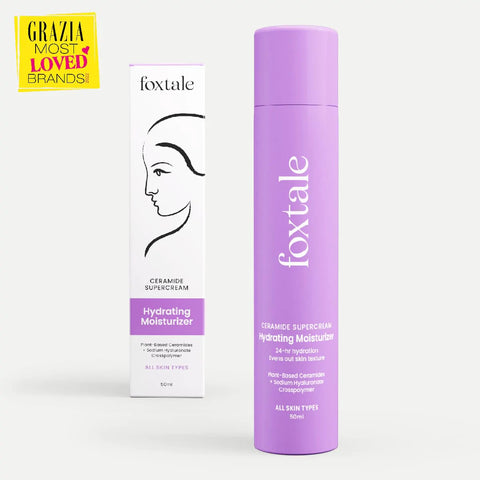
Buy Now: Rs 445/-
4) Protect with SPF
Your entire skincare routine will be ineffective if you don't apply sunscreen. When you're out in the sun the entire day, you are exposing yourself to harmful UV rays, which can have a harmful impact on the skin. Protecting yourself with sunscreen, like Foxtale's dewy finish sunscreen, will shield your skin from UVA+ UVB rays and reverse free radical damage.

Buy Now : Rs 675/-
Conclusion
Vitamin C serum can benefit numerous skin types and is regarded as a great weapon to possess against anti-ageing. Incorporating the serum into your skincare routine offers you a plethora of benefits, from fading hyperpigmentation to promoting collagen production; this versatile ingredient deserves a place in your skincare cupboard. To be on the safer side, it is recommended to conduct a patch test first to ensure your skin has no adverse reaction to the product. Always ensure to pair Vitamin C serum with sunscreen to reap the maximum benefits!
FAQs
1. At what age can I start using Vitamin C?
Ans: To be honest, there is no right age at which you can start using Vitamin C serum in your skincare routine. A teenager’s skin is a lot more different than an adult's or an aged person, and it’s safe to say both can benefit from Vitamin C serums, given their target concerns. If you feel the need to prevent sun damage or have acne scars that you want to fade, use a Vitamin C serum, and you can easily benefit from it, be it at the age of 18 or 40!
2. What % of vitamin C should be used?
Ans: It is recommended to use Vitamin C serum which contains 15% L-ascorbic acid, which is the purest and most potent form of the vitamin. In addition, products containing L-ascorbic acid penetrate skin tissue and boost the skin's collagen production, giving your skin a youthful appearance.
3. How to store vitamin C serum?
Ans: Vitamin C serum should be stored in a cool and dry place to prevent it from oxidizing. You should aim to avoid exposing your serum to sunlight.
4. How long does Vitamin C serum take to work?
Ans: It usually depends on the type of Vitamin C you are using; it can easily take around 1 to 4 months or 4 to 12 weeks for it to work and show results. While L-Ascorbic Acid works faster, other variants might take longer than that. However, consistency and concentration in using a product play an important role in efficacy. For example, if you use high concentrations regularly and top it off with good sunscreen, it will give you faster results.
5. How do I choose Vitamin C serum for my skin?
Ans: Based on your skin type, skin tolerance, preference of formulation, and skin concern, you can choose the best Vitamin C serum for your skin. For mostly all skin types, L-Ascorbic acid is great and works faster as it is a pure and potent formula. However, if you struggle with very sensitive skin, you might have other options.
If you are a beginner using Vitamin C serum and your skin cannot tolerate high concentrations, go for a serum with no more than 5% concentration to start with. Similarly, if your skin is used to it and can tolerate a high percentage, go for 15-20% concentration, as lower than that may not work for you.
6. What can you not mix with Vitamin C?
Ans: You should not mix Retinol, Benzoyl peroxide, AHA’s, and BHA’s with your Vitamin C.
7. Should you put Vitamin C on wet skin?
Ans: Although it is always advisable to use your skincare products, especially hydrating serums on damp skin, Vitamin C serum, or any other active such as AHA/BHA should never be used like that. Always use it on dry skin. For best results, use it when your skin is dry right after washing your face. This is so because if you use it on wet skin, the acid will come in contact with water which will neutralize the action and make it weaker.
8. Should you use Vitamin C during the day or at night?
Ans: There needs to be more clarity about whether one should use Vitamin C serum during the daytime or night time. Those who use many daily actives believe that daytime is good enough, and others find night time more comfortable. However, you should know that Vitamin C serum can be used both during the day and at night! To get the maximum benefits of it in the daytime, make sure to use sunscreen to fight free radicals and prevent sun damage. At night, use a good sodium hyaluronate-based moisturizer and the serum to balance it out.
9. Do I need a moisturizer and sunscreen after Vitamin C?
Ans: Yes. You must use a hydrating, barrier-repair moisturizer and a protective sunscreen after applying your Vitamin C serum to get the most benefits and avoid mishaps. The correct way to use a Vitamin C serum is:
- Firstly, wash your face properly with a gentle face wash such as Foxtale’s Daily Duet Cleanser. It makes sure your skin is all ready to absorb in products applied afterwards.
- Next up, use a Vitamin C serum on a clean face.
- Then, use a skin barrier repair moisturizer like Foxtale’s Ceramide Supercream as a protective layer.
- Follow it up with a sunscreen that has an SPF of 50+ and PA++++! When you use the C For Yourself serum & Cover-Up Sunscreen together, you are double-protecting your skin from harmful UV rays. This powerful duo is known to enhance each other’s efficiency, and it works best on fading dark spots as well as premature ageing.
10. What happens if you use Vitamin C without sunscreen?
Ans: ‘Magical duo’ is the word that comes to our mind when we think about pairing Vitamin C with Sunscreen, and we are here to tell you not to miss out on this opportunity! When you are using a Vitamin C serum, it is to combat issues like hyperpigmentation or dark spots, it works by lifting the pigment and revealing fresh and new skin. And this is why using sunscreen makes the process a lot easier by further protecting your fresh skin from UV rays. If you do not use them together, it is only going to make the situation worse. It will make the spots even more pigmented.
11. Should you refrigerate your Vitamin C serum?
Ans: When storing your Vitamin C serum, the best way to do it is to keep it in the dark, cool place to ensure it doesn’t come in contact with sunlight. If your serum comes in contact with sunlight (for a longer duration), it may get oxidized, and it will have an adverse impact on your skin as it has gone bad.
Packaging of a Vitamin C serum plays an important role with respect to storage. If the serum is well packed in an opaque bottle, you can keep it at room temperature as it is already pretty safe from the sunlight. However, glass, transparent bottles may need to be stored in the refrigerator.
12. How do you know if Vitamin C serum is oxidized?
Ans: You can easily determine if your Vitamin C serum is oxidized by looking at its color and smell. The original color of the Vitamin C serum is usually transparent, but when it is oxidized, its color is changed to yellow or brown (darker). Also, if your Vitamin C serum starts to smell unpleasant after a few months, you should know that it is oxidized and cannot be used anymore.
13. What can you do to stop Vitamin C serum from oxidizing?
Ans: There are two important things that you need to take care of if you don’t want your Vitamin C serum to oxidize. The first one is storing it in a cool, dark place and away from sunlight as much as possible. And the second one is buying a serum that has opaque packaging.
The Foxtale’s C For Yourself Vitamin C serum is what you would expect from a good Vitamin C serum. It has opaque packaging that doesn’t oxidize, lasts longer, and ensures you fully use up its goodness.
How to Remove Tan Instantly in 15 Minutes (Scientifically Proven)
No Next Article
These articles are reviewed and written by Foxtale's content and skincare research team. Our content is developed using published skincare research, dermatologist guidance, ingredient studies, and consumer education principles to help readers make informed skincare decisions.
Shop
the storyBESTSELLER
Vitamin C Serum
Fades pigmentation & brightens skin
See Reviews
₹ 645
GLOW20
Most Read
You may also like