Slept with makeup on? Here’s how to reverse the damage
3 min read


IN THIS ARTICLE
- 01
- 02
- 03
- 04
So you committed the biggest skin sin. You failed to remove your makeup before going to bed. Perhaps last night's party was fun but that's not the case for your skin. You made your skin suffer and you know it. But you're not alone and you're definitely not the first. And it is for this reason that we have your back!
If you google, you'll see horror stories of what happened to people when they fell asleep with makeup on. But we won't let that happen to you. Here are some quick and easy tips to undo the damage.
First things first, clean your face.
When it comes to giving your skin a good refreshing cleanse, we rely on the double cleanse method. You won't get the same outcomes from your face wash alone as you will from an oil-based cleanser. Begin with taking some cleansing balm/oil and massage it onto the skin. This unclogs your pores and dissolves all the remnants of makeup, dirt and grime.
Next up is a water-based cleanser to give your skin a deep cleanse. Your skin is already stripped of its good nutrients so make sure to choose a hydrating and mild formula such as the Foxtale Daily Duet Face Wash. It is a pH-balanced face wash that has skin-loving ingredients that support the skin’s natural barrier. It is easy to use and doesn’t require much effort.
Give your skin a detox.
Now take a close look at your skin and examine the damage. Does it feel dry or oily or do you have breakouts? Pick a face mask as per your skin concern. If you cannot figure it out, just go for a clay-based mask or some good old Multani mitti DIY face mask. Remember, the goal is to restore your skin's lost glow while soothing, brightening, and revitalizing it.
Repair your skin barrier.
Between the harsh makeup that seeped into pores and the thorough cleansing to repair the damage, your skin has gone through a lot. Your skin barrier needs to be rebuilt right away. The best ingredients are used in the Foxtale Ceramide Supercream Moisturizer, which does the job perfectly. It gives your skin the nourishment it requires the most at this time. It is gentle on the skin, applies smoothly and imparts a healthy glow as well.
Shield your skin.
Now more than ever, you need to use sunscreen. Your skin requires as much protection as possible. Make sure to pick a sunscreen that doesn’t clog your pores, is lightweight and provides broad spectrum protection like the Foxtale Mattifying Cover-Up Sunscreen. It is also infused with niacinamide which imparts a subtle glow to your skin. Without much effort, you can now have your lost radiance back!
Tips on how to Treat Acne when you have Dry Skin
A Guide you shouldn’t miss if you have Acne-Prone Skin
Passionate about beauty, Srishty’s body of work spans 5 years. She loves novel makeup techniques, latest skincare trends, and pop culture references. When she isn’t working, you will find her reading, Netflix-ing or trying to bake something in her kitchen.
Shop
the story
Hydrating Moisturizer with Ceramide
Smoothens skin texture
See Reviews
₹ 495
GLOW20
Most Read


A Guide you shouldn’t miss if you have Acne-Prone Skin
5 min read


IN THIS ARTICLE
- 01
- 02
- 03
- 04
- 05
- 06
- 07
Acne is just like that one relative. You don't look forward to having them but somehow, whenever they visit, you have to tolerate them. Acne-prone skin is one of the most prevalent and difficult skin types to care for. It necessitates going the extra mile. Having acne can often be a painful experience and may impact your self-esteem but with the right guidance and care, you can embark on a journey towards healthier skin. Making certain modifications to your skincare regimen or way of life may be necessary to get rid of acne.
Acne-prone skin frequently exhibits symptoms including zits, pimples, and irritated skin. Depending on how severe it is, acne is a chronic condition that constantly fluctuates. One needs to keep consistency in mind when managing acne. To effectively treat it, you need to understand it and have a lot of patience. Let’s learn everything we can about acne-prone skin and how to cure it.
What is Acne-Prone Skin?
Acne-prone skin is a skin type characterized by a genetic predisposition to clogged pores, excessive sebum production, and frequent inflammation. It occurs when dead skin cells do not shed properly, trapping oil and allowing C. acnes bacteria to thrive. Managing it requires a consistent CTMP (Cleanse, Treat, Moisturize, Protect) routine using non-comedogenic ingredients.
What causes acne-prone skin?
Your skin pores produce sebum which keeps your skin lubricated and moisturized. However, when your skin generates too much sebum, which clogs your pores, it causes inflammation and develops into a pimple, also known as acne. Excess sebum production or acne formation can occur for a variety of causes, which is why it can affect both teenagers and adults. Here are a few significant causes:
1.Hormones
A major contributor to acne-prone skin is hormones. It is particularly prevalent in teenagers and young adults as their bodies begin to produce testosterone, which in turn leads to the overproduction of sebum/oil in the sebaceous glands. Breakouts can also be caused by hormonal changes that occur during pregnancy and the menstrual cycle.
2. Diet
According to studies, some food ingredients may play a significant role in acne-prone skin. Processed meals, fat and hydrogenated oils, spicy, packaged foods, meat, alcohol, dairy, and even coffee can aggravate acne-prone skin.
3. Stress
In certain people, stress also seems to be a factor in acne outbreaks. Your body's primary stress hormone is cortisol. Acne may result from an increase in sebaceous gland oil production when too much cortisol hormone is released into the bloodstream.
Acne Mapping: What Your Breakouts are Telling You
What to avoid for acne-prone skin?
Not taking care of your stress or diet are just a few things you should avoid doing to trigger your acne-prone skin. Here are some more:
- Do not be overly harsh or brutal to your skin; instead, use a gentle approach to skincare. This includes not exfoliating and cleansing your face excessively.
- Never use an abrasive cleanser or face wash.
- Do not touch or squeeze your pimples; instead, leave them to your treatment products.
- Face scrubs should never be used since they might cause micro-tears in the skin.
- Avoid spending long periods in direct sunlight.
- Do not try random kitchen hacks or DIYs you find on the internet. Do not apply lemon or toothpaste to your acne!
- Be sanitary in general. This includes keeping your phone screen clean and changing your pillows regularly.
- Keep your phone screen clean and change your pillowcases at least twice a week.
How to treat acne-prone skin?
Now that you understand the causes of your acne-prone skin and the do's and don'ts, it's time to learn about acne-prone skin treatment. One of the greatest practices to follow if you have acne-prone skin is to have a simple skincare routine that focuses on treating acne and overall skin upkeep.
A suitable Cleanse-Treat-Moisturize-Protect (CTMP) routine
A good skincare routine is defined by its effectiveness rather than its complexity. When you have acne-prone skin, sticking to a simple routine is the way to go.
Cleanse
The first step is to cleanse your skin to remove dirt, pollutants, excess oil, and makeup remnants. Thoroughly cleansing your skin will also help prepare it for the next parts of the routine. Choose a cleanser that is gentle enough on the skin to not deprive it of its natural oils. Hydrating facewash is the perfect pick for your AM and PM cleansing routine. It is a gel-based, oil-free formula that gently cleanses your skin from the inside out while simultaneously hydrating it and aiding in the prevention of future outbreaks. You just cannot go wrong with this one!

Treat
The second step is to address your skin issue, which is acne. Any sort of acne medication can be used to treat the condition, including serums, toners, and ampoules. However, one of the most effective acne remedies is an anti-acne clarifying gel!
We have a delightful surprise for you to eliminate the acne and pimples from your life. Introducing Foxtale’s Acne Spot Corrector Gel, a must-have for clear, smooth, and acne-free skin. This spot corrector guarantees visible improvement after 12 hours of use, whether it is stress-related acne or hormonal breakouts. This powerhouse is loaded with salicylic acid, glycolic acid, azelaic acid, and others, making it a one-stop treatment for treating severe active acne and acne marks.

Moisturize
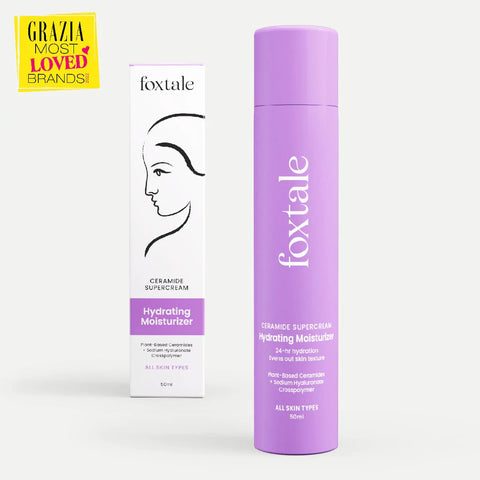
Acne treatments that contain potent acids might be a touch drying on the skin since they try to limit oil production on your skin. This is why the following step, which is to moisturize your skin, is necessary. Moisturizing your skin strengthens its barrier, protects it from dryness, and retains moisture to keep it looking smooth and healthier. One such moisturizer to have in your skincare routine is Foxtale’s Ceramide Supercream. Enriched with skin barrier-supporting ingredients such as ceramides, and hyaluronic acid, this cream is lightweight and doesn’t clog your pores.
Protect (AM only)
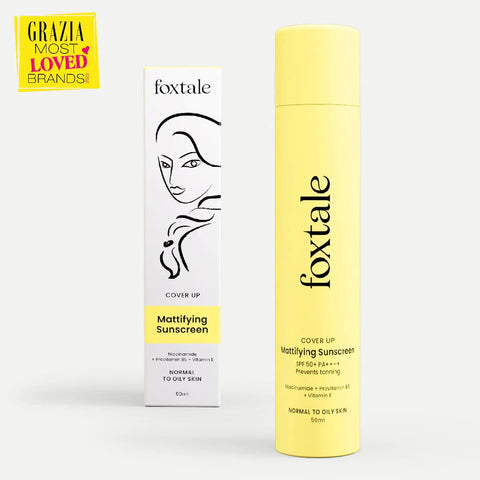
Protecting your skin from damaging UV rays is one of the greatest acne remedies and a must-have step in your skincare routine. Choose a lightweight, non-pore-clogging product for acne-prone skin. For acne-prone skin, the Foxtale Matte Sunscreen is ideal. This lotion-like formula does not clog pores and provides great sun protection thanks to advanced UV filters and niacinamide, all while leaving skin weightless and matte.
Related Articles:
1. Acne: Types, Causes, Treatment, and Prevention
2. Step-by-Step Skincare Guide to Achieving Acne-Free Skin
3. Causes And Treatments of sudden Acne Breakouts
The Conclusion
Heading towards clear skin may not be an easy journey and will involve you putting a lot of patience on the products. However, the saying “Trust the process” must be followed. Whichever routine you’ll practice, ensure you thoroughly follow the instructions. In case you’re intending to switch up your products, it is wise to consult your dermatologist first.
FAQs
1.What things worsen acne?
Ans. You're more prone to have acne if you eat and drink poorly. Using out-of-date cosmetics, dirty makeup tools, and making the blunder of sleeping in your makeup can make your acne worse.
2.What are the causes of acne?
Ans. Acne can be brought on by excessive sebum production, oil-clogged hair follicles and dead skin cells, and acne-causing bacteria.
3.What happens if you don't treat acne?
Ans. Severe acne can cause permanent scars on your skin if it is not addressed. The likelihood of this happening is decreased by taking care of your skin and treating your acne.
4. How long does it take for acne treatments to work?
Ans. Most active ingredients require 4 to 6 weeks (one full skin cycle) to show significant results. Consistency is more important than strength.
Slept with makeup on? Here’s how to reverse the damage
Know all about the different types of Acne Out there
Somewhere, in some part of the world, there’s a girl highlighting a favourite line from a book and thinking, “Damn! I hope I remember this!” That’s Nikitha. Apart from reading, you’ll most probably find her stalking random Reddit threads, discussing conspiracy theories and binge-watching movies.
Shop
the story
Acne Spot Corrector with Salicylic Acid
Acne reduction in 12 hours
See Reviews
₹ 449
GLOW20

0.15% Retinol Night Serum
Preserve youthful radiance
See Reviews
₹ 599
GLOW20

Ultra Matte Sunscreen SPF 50 PA ++++ for Oily Skin
8-hour oil-free sun protection
See Reviews
₹ 495
GLOW20
Hydrating Moisturizer with Ceramide
Smoothens skin texture
See Reviews
₹ 495
GLOW20

Hydrating Face Wash
Makeup remover & cleanser
See Reviews
₹ 395
GLOW20
Most Read
Know all about the different types of Acne Out there
4 min read

IN THIS ARTICLE
- 01
- 02
- 03
- 04
At this very moment, in some corner of the world, someone is gazing into their reflection, feeling a sense of frustration and disappointment wash over them as they come face to face with their Acne. This is a struggle that is very prevalent among a lot of people. Acne can occur in many forms; whether mild or severe, it can significantly impact a person's self-esteem. But there's nothing to worry about- you too can achieve clear and glowing skin once you understand the kind of Acne you have and which treatment will suit you most. Find out everything about Acne and its (not-so-pleasant) types. Read on.
What is Acne?
Everyone, everywhere, at some point has had Acne. Acne occurs when your pores are clogged with oil and dead skin cells. This can lead to pimples, blackheads, whiteheads, and other blemishes on the face, chest, back, and shoulders. Various factors, including hormonal changes, genetics, certain medications, and lifestyle factors, such as diet and stress, can cause Acne.
It is most common in teenagers but can affect people of all ages. While Acne is not usually a serious health problem, it can be distressing and may cause scarring if left untreated. Many effective treatments are available for Acne, including topical medications, oral medications, and various skincare products.
The Two Main Categories: Inflammatory vs. Non-Inflammatory
Understanding this distinction is the secret to choosing the right product:
- Non-Inflammatory Acne: Includes blackheads and whiteheads. These don't usually hurt or swell. They are caused purely by "clogs."
- Inflammatory Acne: Includes papules, nodules, and cysts. These are red, swollen, and often painful. They are caused by bacteria (C. acnes) trapped inside the pore.
Here are the different Types of Acne:
There are several types of Acne, including-
1.Hormonal Acne
Hormonal Acne is caused by hormonal imbalances and is common in teenagers and women during menstruation. It typically appears as deep, painful cysts or nodules on the chin, jawline, and cheeks. Hormonal Acne can be challenging to treat, but topical or oral medications can be effective.
2.Fungal Acne
Fungal Acne occurs due to an overgrowth of yeast on the skin, and it appears as tiny, itchy bumps on the forehead, chest, and back. Fungal Acne is often mistaken for regular Acne but does not respond to traditional acne treatments such as benzoyl peroxide or salicylic acid. Instead, treatment for fungal Acne typically involves antifungal medications and topical creams.
3.Blackheads
Blackheads are small, dark bumps that show themselves when your pores are clogged with oil, dead skin cells, and other debris and are exposed to air. This exposure causes the material inside the follicle to oxidize and turn dark, resulting in their characteristic appearance. They appear on the face, particularly in the T-zone (forehead, nose, and chin).
4.Whiteheads
Whiteheads appear as small and white bumps on the surface of the skin. When excess sebum and dead skin cells clog the hair follicles but are not exposed to air, it forms whiteheads. This causes the material inside the follicle to remain trapped, resulting in a white or yellowish appearance.
5.Cystic Acne
Cystic Acne is a skin condition that results from an overproduction of oil, accumulation of bacteria, and dead skin cells that clog pores. This can lead to painful and large cysts or nodules deep within the skin. It is caused by hormonal imbalances that increase oil production in the skin, which clogs pores and triggers inflammation.
6.Nodular Acne
Nodular Acne is characterised by large, painful, inflamed nodules or cysts on the skin. These nodules are deeper than regular pimples and can be difficult to treat. Nodular Acne occurs when hair follicles become clogged with oil and dead skin cells, forming a blemish. In nodular Acne, the blemish is more prominent, inflamed, and embedded in the skin.
7.Papular Acne
Papular Acne is a type of Acne that is characterised by small, raised bumps or papules on the skin. They're caused by inflammation in the skin and are in the shade of red or pink. Various factors, including hormonal changes, genetics, and certain medications, can cause papular Acne. Stress, a poor diet, and improper skin care can also aggravate it.
Related Articles:
1. Skincare Guide to Achieving Acne-Free Skin
2. Guide you shouldn’t miss if you have Acne-Prone Skin
3. Whiteheads - Causes, Treatment, Prevention & More
Conclusion
Acne is a very frustrating skin condition, but knowing you're not alone is important. Millions of people worldwide struggle with Acne, and its various types require different treatment approaches.
Identifying your acne type is the first step to achieving clear, acne-free skin. Understanding the differences between these types of Acne can help individuals identify the most effective treatment options for their specific needs. Once you know the kind, try out the Acne spot corrector gel by Foxtale and notice a visible reduction in Acne and any blemishes. See you on the other side of the acne tunnel!
FAQs
1. How can I tell if my acne is hormonal?
Ans. Hormonal acne typically appears in the "U-zone" (lower cheeks, jawline, and chin). It often flares up in a monthly cycle and presents as deep, painful cysts that don't always come to a "head."
2. Can I treat cystic acne at home?
Ans. Cystic acne is deep and inflammatory. While spot treatments with Tranexamic Acid can help reduce the resulting pigmentation, most cystic acne requires a dermatologist's intervention to prevent permanent "ice-pick" scarring.
3. Is fungal acne actually acne?
Ans. Technically, no. While it looks like acne, it is a yeast infection of the hair follicle (Malassezia folliculitis). It is distinguished by being very itchy and appearing in uniform "clusters" of small bumps.
A Guide you shouldn’t miss if you have Acne-Prone Skin
Here’s a Guide on How to Treat and Calm Acne
Passionate about beauty, Srishty’s body of work spans 5 years. She loves novel makeup techniques, latest skincare trends, and pop culture references. When she isn’t working, you will find her reading, Netflix-ing or trying to bake something in her kitchen.
Shop
the story0.15% Retinol Night Serum
Preserve youthful radiance
See Reviews
₹ 599
GLOW20
Acne Spot Corrector with Salicylic Acid
Acne reduction in 12 hours
See Reviews
₹ 449
GLOW20
Most Read
Here’s a Guide on How to Treat and Calm Acne
5 min read

IN THIS ARTICLE
- 01
- 02
- 03
- 04
Acne is like that one comment from a relative. Unwanted and unnecessary. While everyone shares a common sentiment of annoyance regarding acne, not everyone knows about the acne treatments out there. While in the previous episode of ''Understanding Acne,'' you learnt about all the types of acne, it is now time to decode the best treatment options available.
Curating a special skincare routine to address the specific skincare need can help you get rid of acne quickly. Your chosen routine will help remove excess oil and clear your pores. In addition, a skin-friendly routine will prevent redness and irritation. While you might think the routine has to consist of a zillion steps- follow the phrase "simple is effective".
What is Acne?
Acne is a skin condition that shows itself unannounced through pimples, black and whiteheads. The sebaceous glands produce oil (sebum), which helps to keep the skin lubricated and healthy. When your pores are clogged with this excess sebum and dead skin cells, it causes acne to appear. It's a skin problem that affects many people, but it is very prevalent among teenagers and young people. It can occur on the face, neck, chest, back, and shoulders. It's caused by hormonal changes, genetics, stress, diet, and certain medications.
How to cure acne?
(I) Comedonal acne
Comedonal acne consists of small, flesh-coloured bumps or whiteheads that appear on the skin. It consists of whiteheads and blackheads.
1.Topical retinoids:These medications are derived from Vitamin A and can help to unclog pores and prevent the formation of new comedones. Retinoids are available in prescription strength, such as tretinoin, adapalene, or over-the-counter retinoids, such as retinol. Try out the Vit-A-lity Retinol night serum that contains betaine and kokum butter, both magical ingredients that treat acne and reduces the inflammation that comes with it.
2.Salicylic acid:This ingredient can penetrate the pores and help to remove excess oil and dead skin cells. Salicylic acid is available in over-the-counter products, such as cleansers, toners, and spot treatments. Foxtale’s One zit wonder Gel contains salicylic acid- a BHA that is the best defence against acne. By unclogging pores, it cleans them deeply while also decreasing sebum production. A decrease in sebum= fewer breakouts.
3.Chemical peels:Chemical peels can help to exfoliate the skin and unclog pores. Chemical peels can be performed by a dermatologist or with over-the-counter products that contain alpha-hydroxy acids (AHAs) or beta-hydroxy acids (BHAs).
4.Extractions:Comedonal acne can be manually extracted by a dermatologist or esthetician. This involves using a special tool to gently remove the plug of oil and dead skin cells from the pore.
(II) Inflammatory acne
It consists of papules, pustules, nodules and cysts.
1.Topical treatments: These include over-the-counter creams and gels containing benzoyl peroxide, salicylic acid, or retinoids. A dermatologist may recommend prescription-strength medications like antibiotics, topical steroids, and azelaic acid.
2.Oral medications: If topical treatments are ineffective, oral medications like antibiotics, hormonal contraceptives, or isotretinoin may be prescribed.
3.Lifestyle changes: Eating a healthy diet, avoiding picking or squeezing pimples, and using non-comedogenic skincare products can help manage inflammatory acne.
4.Procedures: In some cases, a dermatologist may recommend procedures like chemical peels, microdermabrasion, or light therapy to help reduce inflammation and improve the appearance of acne.
(III) Fungal acne
1.Use antifungal products: Antifungal medications are commonly used to treat fungal acne, and they can be found in various forms, such as topical creams, shampoos, or oral medications. You should consult your healthcare provider or dermatologist to find the treatment most suitable for you.
2.Keep your skin clean and dry: Fungal acne thrives in warm and moist environments. Keep your skin clean and dry to prevent the growth of yeast. Avoid wearing tight clothing and opt for breathable fabrics.
3.Avoid using oily or heavy products: Fungal acne can be worsened by oily or heavy products. Look for non-comedogenic, oil-free products that won't clog your pores.
4.Consider using probiotics: Probiotics can help balance the bacteria on your skin and reduce yeast growth. Consider taking oral probiotics or using skincare products that contain probiotics.
5.Consult a dermatologist: If your fungal acne is severe or doesn't improve with over-the-counter treatments, consult a dermatologist. They may prescribe oral or topical antifungal medications or recommend other treatments.
(IV) Hormonal Acne
If your breakouts are deep, cystic, and primarily appear along the jawline or chin, you are likely dealing with Hormonal Acne.
Unlike surface-level comedones, hormonal acne is triggered by an increase in androgens, which causes your oil glands to go into overdrive. Treating this requires a dual approach: using anti-inflammatory topicals like Niacinamide to soothe the surface and maintaining a consistent routine to prevent secondary infections
Tips to keep in mind to prevent acne
If you've scrolled this far, you must now be aware of how to treat the type of acne that's on your skin. But additionally, here's a list of tips you can use to keep your skincare game ahead of others.
1. Cleansing your skin regularly can help prevent oil and dead cells buildup that can lead to acne. Use a gentle cleanser that removes dirt and oil from your skin along with leaving it hydrated and refreshed.
2. When you drink plenty of water, it helps flush toxins from your body. A well hydrated skin can prevent the formation of acne.
3. Getting enough sleep can help reduce stress levels, which can trigger acne. You should aim a 7-8 hours of sleep each night.
4. Picking at your pimples can lead to scarring and make acne worse. Instead, use topical or spot treatments to help reduce inflammation and clear up the pimple.
Related Article:
1. How To Treat Acne Without Drying Your Skin
2. Different Types of Pimples and How to Treat Them
3. How to Remove Dark Spots on Face
Conclusion
While acne can be a frustrating and emotional rollercoaster, it is treatable. You can effectively treat and calm acne by following a regular skincare routine, using topical treatments, and considering prescription medication. In addition, if you are struggling with acne scars, several treatments are available to help reduce their appearance. With the right approach, you too can achieve skin that's acne-free and glowing from within.
Somewhere, in some part of the world, there’s a girl highlighting a favourite line from a book and thinking, “Damn! I hope I remember this!” That’s Nikitha. Apart from reading, you’ll most probably find her stalking random Reddit threads, discussing conspiracy theories and binge-watching movies.
Shop
the storyAcne Spot Corrector with Salicylic Acid
Acne reduction in 12 hours
See Reviews
₹ 449
GLOW20
0.15% Retinol Night Serum
Preserve youthful radiance
See Reviews
₹ 599
GLOW20
Hydrating Face Wash
Makeup remover & cleanser
See Reviews
₹ 395
GLOW20
Most Read