Understanding Retinol Purging; Causes, Effects, And How To Control It

7 min read

Retinol, a type of Vitamin A, is touted as the holy grail of anti-ageing. Its topical application ensures healthy cellular renewal and boosts Collagen production to soften fine lines, wrinkles, laugh creases, crow’s feet, and more. However, a handful of Retinol beginners may notice discomfort in the form of flakiness, breakouts, and inflammation – also known as Retinol purging.
A normal reaction to enhanced cellular turnover, purging shouldn’t discourage you from using Retinol. However, there are certain preventative measures and tips to alleviate these symptoms – that make your experience with Retinol a whole lot better. Scroll ahead to learn more. But before we get to everything purging, let’s refresh our basics on Retinol.
Retinol And Its Benefits
Retinol is popular for its anti-ageing benefits, but that is not all. If used in the right manner, Retinol works to
1. Prevent clogged pores
2. Minimizes pores size
3. Regulate sebum production
4. Kill acne-causing bacteria
5. Reduce acne
6. Improve skin texture and tone
What Is Retinol Purging?
Retinol accelerates the skin's cell turnover, and it can bring underlying acne to the surface more rapidly than it would naturally. You may notice an initial increase in acne, inflammation or dryness a.k.a. purging when you start using Retinol due to this reason. However, it's important to note that this is often a temporary side effect that can improve over time as your skin adjusts to the Retinol.
What Does Retinol Purging Look Like?
Retinol purging manifests in different forms in different individuals. Rare first time-Retinol users may experience -
1. Dry skin: Due to enhanced cellular turnover, dead cells may rise to the dermis – leading to dryness and flakiness.
2. Redness and inflammation: Expedited cell renewal can make new skin look red and inflamed.
3. Uneven texture and bumps: First-time Retinol users may also experience pimples, blackheads, whiteheads in bands.
How Long Does Retinol Purging Last?
The duration of purging differs from person to person. Most individuals experience signs of purging for 4 to 6 weeks from the first use. If your symptoms last longer than 8 weeks, we recommend consulting with a board-certified dermatologist.
How To Avoid Retinol Purging And Breakouts?
1. Introduce it slowly in your routine: You can use the serum once or twice a week to get your skin used to this skincare hero. Then, once your skin has adjusted well to the product, you can gradually increase the usage to every alternate night.
2. Use a lower concentration of Retinol: A higher concentration of Retinol = faster results? That's not the case. A higher concentration of Retinol can be harsh on sensitive skin and escalate the possibility of skin purging. You can use a Retinol serum containing a lower concentration of Retinol. Foxtale's Retinol Serum contains 0.15% encapsulated Retinol, a process wherein retinol penetrates deeper into the skin cells to deliver the best benefits without causing any purging! Encapsulated Retinol boosts Collagen production, provides excellent anti-ageing results and makes your skin radiant!
3. Look for soothing ingredients: Using a Retinol serum containing soothing ingredients like Allantoin and Kokum butter causes fewer chances of your skin reacting to Retinol. Allantoin and Kokum butter provide a soothing effect on the skin and treat inflammation. In addition, the presence of Betaine helps soften the skin texture and hydrate it. 4. Always follow up with a sunscreen While you're aware that Retinol accelerates cell turnover, did you know that newer skin cells are at threat of exposure to the sun's UV rays? Always layer your skin with sunscreen to avoid the risk of skin sensitivity.
Can I Keep Using Retinol After Purging?
Purging is a relatively normal reaction to introducing Retinol in your skincare routine – so it's okay to continue using the ingredient. Here are some non-negotiables that will curb the discomfort or flare-ups
1. Use a hydrating cleanser: Prep your skin for Retinol with a hydrating, non-drying cleanser. Steer clear of ingredients like SLS or alcohol that dehydrate the skin, weaken the barrier and add to the dryness possibly caused by Retinol.
2. Layer active ingredients smartly: We recommend not going overboard with active ingredients. Case in point, if you are using Retinol in your nighttime skincare routine, opt for the Vitamin C Serum in the morning to avoid irritation or inflammation.
3. Moisturize always: Without moisturization, all your efforts for younger-looking skin will be futile. A potent moisturizer creates a barrier on the dermis, sealing in the Retinol molecules and hydration for best results. Additionally, slathering a generous amount of moisturizer alleviates any accidental flare-ups caused by Retinol.
4. Try sandwich method: This method involves using retinol between two layers of moisturizer. This tip will be most suitable if you're new to retinol or have sensitive skin. It doesn't make your skin prone to irritation and provides ample pampering.
You Should Discontinue Retinol After Purging If
1. You have excessive redness or inflammation on the skin
2. You experience peeling skin or burning sensation that refuses to budge
3. The purging last for 6+ weeks
4. Your dermatologist asks you to discontinue Retinol with immediate effect
Is There A Retinol Product That Minimizes Purging?
As discussed earlier – if you are looking for a Retinol-infused formula that minimizes purging, we have a little treat for you. Try Foxtale’s 0.15% Encapsulate Serum STAT. It boasts Retinol enclosed in a protective layer that travels deep inside the skin to break open. This innovative technology helps limit episodes of purging and inflammation.
1. The gradual release of Retinol molecules into the deepest layers improves the serum’s efficacy. The lightweight formula boosts Collagen to soften fine lines, wrinkles, and crow’s feet over time. Moreover, topical application of this Retinol Serum averts free radicals that deplete your skin’s Collagen levels.
2. Unlike other formulas, Foxtale’s uber-safe Retinol Serum doesn’t dry out the skin. Betaine, a powerful humectant at the forefront, helps bind water molecules to the skin for its long-lasting hydration.
3. The serum also carries Kokum Butter which administers long-lasting and multi-level moisturization for the skin. Plus, it makes your skin super smooth, soft, and supple.
Conclusion
If you want to try using retinol but are concerned about purging, there are some tips you can follow to help minimize the likelihood of this occurring. First, it's essential to understand your skin type and choose a retinol product with a lower concentration that is appropriate for your skin. Introducing the product slowly and gradually to your skin can also help to reduce the risk of irritation and purging.
Among its skincare counterparts, retinol is unrivalled in providing protection from ageing, reducing pores, evening skin tone, and enhancing the glow on your face. Just out of the fear of purging, you don't have to forego your dream of youthful and radiant skin.
FAQs
1. Can Retinol break you out in the first few weeks?
Yes. Retinol enhances the cellular turnover process, which brings up dead-dried cells and impurities to the skin’s surface. This may result in breakouts a.k.a. purging.
2. Can you keep using Retinol with purging?
Yes, you can. Purging is a normal reaction to a new active ingredient in your skincare routine. It generally subsides in 4 to 6 weeks.
3. Does Retinol help with acne in the long run?
Yes. Retinol helps with acne in the long run by
1. Unclogging pores
2. Reducing acne scars
3. Abating inflammation
4. Killing acne-causing bacteria
4. How can I start retinol without purging?
If you want to avoid retinol purging, follow these two necessary steps. Firstly, choose a retinol serum with a lower concentration and soothing ingredients such as betaine, allantoin, and kokum butter. These ingredients help to reduce skin irritation and redness, which are common during retinol purging. Secondly, start using retinol only once or twice a week to gradually allow your skin to adjust to the product.
5. Can I skip wearing sunscreen after using retinol?
No, retinol make’s your skin sensitive to the UV rays of the sun and can cause skin damage, including wrinkles and age spots. So, to protect your skin from the damaging effects of the sun, it's essential to wear a broad-spectrum sunscreen every day.
6. Can I apply retinol serum on damp skin?
No, when retinol is applied on damp skin, it is less effective because the moisture on the skin can dilute the product and reduce its absorption. Additionally, wet skin may be more sensitive and prone to irritation from retinol. For best results, you should apply retinol to clean and dry skin in the evening.
Know the Causes And Treatments of sudden Acne Breakouts
Slept with makeup on? Here’s how to reverse the damage
Passionate about beauty, Srishty’s body of work spans 5 years. She loves novel makeup techniques, latest skincare trends, and pop culture references. When she isn’t working, you will find her reading, Netflix-ing or trying to bake something in her kitchen.
Most Read


Foxtale SPF 50 Glow Sunscreen: Benefits, Usage & Skin Finish

Does Sunscreen Block Vitamin D? The Indian Skin Truth
Slept with makeup on? Here’s how to reverse the damage
3 min read

So you committed the biggest skin sin. You failed to remove your makeup before going to bed. Perhaps last night's party was fun but that's not the case for your skin. You made your skin suffer and you know it. But you're not alone and you're definitely not the first. And it is for this reason that we have your back!
If you google, you'll see horror stories of what happened to people when they fell asleep with makeup on. But we won't let that happen to you. Here are some quick and easy tips to undo the damage.
First things first, clean your face.
When it comes to giving your skin a good refreshing cleanse, we rely on the double cleanse method. You won't get the same outcomes from your face wash alone as you will from an oil-based cleanser. Begin with taking some cleansing balm/oil and massage it onto the skin. This unclogs your pores and dissolves all the remnants of makeup, dirt and grime.
Next up is a water-based cleanser to give your skin a deep cleanse. Your skin is already stripped of its good nutrients so make sure to choose a hydrating and mild formula such as the Foxtale Daily Duet Face Wash. It is a pH-balanced face wash that has skin-loving ingredients that support the skin’s natural barrier. It is easy to use and doesn’t require much effort.
Give your skin a detox.
Now take a close look at your skin and examine the damage. Does it feel dry or oily or do you have breakouts? Pick a face mask as per your skin concern. If you cannot figure it out, just go for a clay-based mask or some good old Multani mitti DIY face mask. Remember, the goal is to restore your skin's lost glow while soothing, brightening, and revitalizing it.
Repair your skin barrier.
Between the harsh makeup that seeped into pores and the thorough cleansing to repair the damage, your skin has gone through a lot. Your skin barrier needs to be rebuilt right away. The best ingredients are used in the Foxtale Ceramide Supercream Moisturizer, which does the job perfectly. It gives your skin the nourishment it requires the most at this time. It is gentle on the skin, applies smoothly and imparts a healthy glow as well.
Shield your skin.
Now more than ever, you need to use sunscreen. Your skin requires as much protection as possible. Make sure to pick a sunscreen that doesn’t clog your pores, is lightweight and provides broad spectrum protection like the Foxtale Mattifying Cover-Up Sunscreen. It is also infused with niacinamide which imparts a subtle glow to your skin. Without much effort, you can now have your lost radiance back!
Understanding Retinol Purging; Causes, Effects, And How To Control It
A Guide you shouldn’t miss if you have Acne-Prone Skin
Passionate about beauty, Srishty’s body of work spans 5 years. She loves novel makeup techniques, latest skincare trends, and pop culture references. When she isn’t working, you will find her reading, Netflix-ing or trying to bake something in her kitchen.
Shop
the story
Hydrating Moisturizer with Ceramide
Smoothens skin texture
See Reviews
₹ 495
GLOW20
Most Read
Foxtale SPF 50 Glow Sunscreen: Benefits, Usage & Skin Finish
Does Sunscreen Block Vitamin D? The Indian Skin Truth
A Guide you shouldn’t miss if you have Acne-Prone Skin

5 min read

IN THIS ARTICLE
- 01
Acne is just like that one relative. You don't look forward to having them but somehow, whenever they visit, you have to tolerate them. Acne-prone skin is one of the most prevalent and difficult skin types to care for. It necessitates going the extra mile. Having acne can often be a painful experience and may impact your self-esteem but with the right guidance and care, you can embark on a journey towards healthier skin. Making certain modifications to your skincare regimen or way of life may be necessary to get rid of acne.
Acne-prone skin frequently exhibits symptoms including zits, pimples, and irritated skin. Depending on how severe it is, acne is a chronic condition that constantly fluctuates. One needs to keep consistency in mind when managing acne. To effectively treat it, you need to understand it and have a lot of patience. Let’s learn everything we can about acne-prone skin and how to cure it.
What is Acne-Prone Skin?
Acne-prone skin is a skin type characterized by a genetic predisposition to clogged pores, excessive sebum production, and frequent inflammation. It occurs when dead skin cells do not shed properly, trapping oil and allowing C. acnes bacteria to thrive. Managing it requires a consistent CTMP (Cleanse, Treat, Moisturize, Protect) routine using non-comedogenic ingredients.
What causes acne-prone skin?
Your skin pores produce sebum which keeps your skin lubricated and moisturized. However, when your skin generates too much sebum, which clogs your pores, it causes inflammation and develops into a pimple, also known as acne. Excess sebum production or acne formation can occur for a variety of causes, which is why it can affect both teenagers and adults. Here are a few significant causes:
1.Hormones
A major contributor to acne-prone skin is hormones. It is particularly prevalent in teenagers and young adults as their bodies begin to produce testosterone, which in turn leads to the overproduction of sebum/oil in the sebaceous glands. Breakouts can also be caused by hormonal changes that occur during pregnancy and the menstrual cycle.
2. Diet
According to studies, some food ingredients may play a significant role in acne-prone skin. Processed meals, fat and hydrogenated oils, spicy, packaged foods, meat, alcohol, dairy, and even coffee can aggravate acne-prone skin.
3. Stress
In certain people, stress also seems to be a factor in acne outbreaks. Your body's primary stress hormone is cortisol. Acne may result from an increase in sebaceous gland oil production when too much cortisol hormone is released into the bloodstream.
Acne Mapping: What Your Breakouts are Telling You
What to avoid for acne-prone skin?
Not taking care of your stress or diet are just a few things you should avoid doing to trigger your acne-prone skin. Here are some more:
- Do not be overly harsh or brutal to your skin; instead, use a gentle approach to skincare. This includes not exfoliating and cleansing your face excessively.
- Never use an abrasive cleanser or face wash.
- Do not touch or squeeze your pimples; instead, leave them to your treatment products.
- Face scrubs should never be used since they might cause micro-tears in the skin.
- Avoid spending long periods in direct sunlight.
- Do not try random kitchen hacks or DIYs you find on the internet. Do not apply lemon or toothpaste to your acne!
- Be sanitary in general. This includes keeping your phone screen clean and changing your pillows regularly.
- Keep your phone screen clean and change your pillowcases at least twice a week.
How to treat acne-prone skin?
Now that you understand the causes of your acne-prone skin and the do's and don'ts, it's time to learn about acne-prone skin treatment. One of the greatest practices to follow if you have acne-prone skin is to have a simple skincare routine that focuses on treating acne and overall skin upkeep.
A suitable Cleanse-Treat-Moisturize-Protect (CTMP) routine
A good skincare routine is defined by its effectiveness rather than its complexity. When you have acne-prone skin, sticking to a simple routine is the way to go.
Cleanse
The first step is to cleanse your skin to remove dirt, pollutants, excess oil, and makeup remnants. Thoroughly cleansing your skin will also help prepare it for the next parts of the routine. Choose a cleanser that is gentle enough on the skin to not deprive it of its natural oils. Hydrating facewash is the perfect pick for your AM and PM cleansing routine. It is a gel-based, oil-free formula that gently cleanses your skin from the inside out while simultaneously hydrating it and aiding in the prevention of future outbreaks. You just cannot go wrong with this one!

Treat
The second step is to address your skin issue, which is acne. Any sort of acne medication can be used to treat the condition, including serums, toners, and ampoules. However, one of the most effective acne remedies is an anti-acne clarifying gel!
We have a delightful surprise for you to eliminate the acne and pimples from your life. Introducing Foxtale’s Acne Spot Corrector Gel, a must-have for clear, smooth, and acne-free skin. This spot corrector guarantees visible improvement after 12 hours of use, whether it is stress-related acne or hormonal breakouts. This powerhouse is loaded with salicylic acid, glycolic acid, azelaic acid, and others, making it a one-stop treatment for treating severe active acne and acne marks.

Moisturize
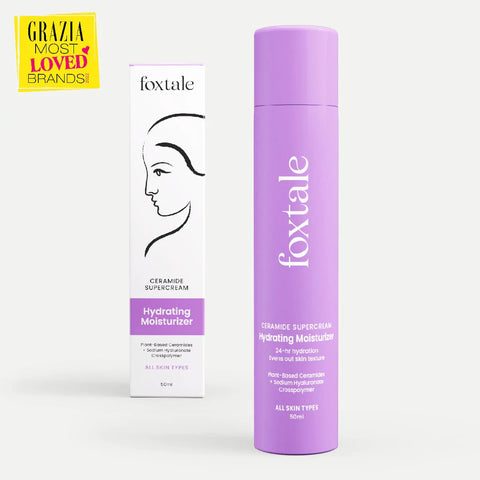
Acne treatments that contain potent acids might be a touch drying on the skin since they try to limit oil production on your skin. This is why the following step, which is to moisturize your skin, is necessary. Moisturizing your skin strengthens its barrier, protects it from dryness, and retains moisture to keep it looking smooth and healthier. One such moisturizer to have in your skincare routine is Foxtale’s Ceramide Supercream. Enriched with skin barrier-supporting ingredients such as ceramides, and hyaluronic acid, this cream is lightweight and doesn’t clog your pores.
Protect (AM only)
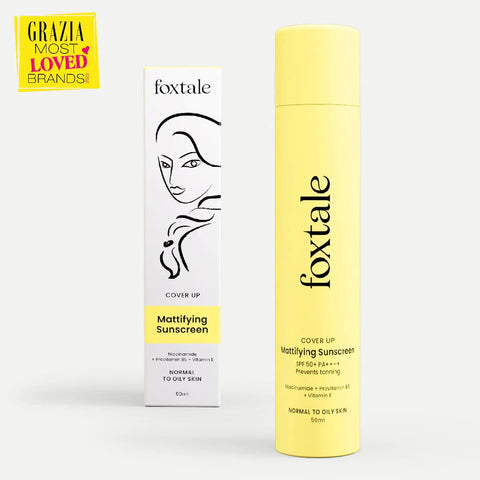
Protecting your skin from damaging UV rays is one of the greatest acne remedies and a must-have step in your skincare routine. Choose a lightweight, non-pore-clogging product for acne-prone skin. For acne-prone skin, the Foxtale Matte Sunscreen is ideal. This lotion-like formula does not clog pores and provides great sun protection thanks to advanced UV filters and niacinamide, all while leaving skin weightless and matte.
Related Articles:
1. Acne: Types, Causes, Treatment, and Prevention
2. Step-by-Step Skincare Guide to Achieving Acne-Free Skin
3. Causes And Treatments of sudden Acne Breakouts
The Conclusion
Heading towards clear skin may not be an easy journey and will involve you putting a lot of patience on the products. However, the saying “Trust the process” must be followed. Whichever routine you’ll practice, ensure you thoroughly follow the instructions. In case you’re intending to switch up your products, it is wise to consult your dermatologist first.
FAQs
1.What things worsen acne?
Ans. You're more prone to have acne if you eat and drink poorly. Using out-of-date cosmetics, dirty makeup tools, and making the blunder of sleeping in your makeup can make your acne worse.
2.What are the causes of acne?
Ans. Acne can be brought on by excessive sebum production, oil-clogged hair follicles and dead skin cells, and acne-causing bacteria.
3.What happens if you don't treat acne?
Ans. Severe acne can cause permanent scars on your skin if it is not addressed. The likelihood of this happening is decreased by taking care of your skin and treating your acne.
4. How long does it take for acne treatments to work?
Ans. Most active ingredients require 4 to 6 weeks (one full skin cycle) to show significant results. Consistency is more important than strength.
Slept with makeup on? Here’s how to reverse the damage
Vitamin C for Acne Scars: How and When to Use
Somewhere, in some part of the world, there’s a girl highlighting a favourite line from a book and thinking, “Damn! I hope I remember this!” That’s Nikitha. Apart from reading, you’ll most probably find her stalking random Reddit threads, discussing conspiracy theories and binge-watching movies.
Shop
the story
Acne Spot Corrector with Salicylic Acid
Acne reduction in 12 hours
See Reviews
₹ 449
GLOW20

0.15% Retinol Night Serum
Preserve youthful radiance
See Reviews
₹ 599
GLOW20

SPF 70 Matte Finish Sunscreen for Oily Skin
8-hour oil-free sun protection
See Reviews
₹ 495
GLOW20
Hydrating Moisturizer with Ceramide
Smoothens skin texture
See Reviews
₹ 495
GLOW20

Hydrating Face Wash
Makeup remover & cleanser
See Reviews
₹ 395
GLOW20
Most Read
Foxtale SPF 50 Glow Sunscreen: Benefits, Usage & Skin Finish
Does Sunscreen Block Vitamin D? The Indian Skin Truth
Vitamin C for Acne Scars: How and When to Use
5 min read

IN THIS ARTICLE
- 01
If you're reading this, then you probably have acne scars too. Acne scars are common, and they can be challenging to care for. You may have fleeting thoughts of covering them up or ripping off the scar, but what’s the point? The scar isn’t hiding anything wrong with your skin. It just looks that way because it’s a visible reminder of an acne outbreak. Vitamin C can help reduce redness, soothe skin, and even give your skin more texture as it breaks down over time. While most people know that vitamin C is important for healthy skin, it might not go over well with everyone. The bad news is that there's not much you can do about them other than learn to accept them and deal with them head-on. If you're ready to get started on the path to better acne scar management, then keep reading.
What is Vitamin C?
Price of vitamin c serum antioxidant found in many foods such as oranges, grapes, kiwis, sweet potatoes, and avocados. As humans, we get most of our vitamin C from what we eat –so it’s important to ensure you’re eating the recommended amount. While vitamin C is important for healthy skin, it’s also been shown to have anti-psoriatic properties that can help prevent acne and benefit acne-prone skin. In fact, It is known as the holy grail for oily skin and will be a total game-changer for you!
How and when to use vitamin c serum
- Most people think of vitamin C as a moisturizer – but that’s not the only thing it can do. Add 1-2 drops of vitamin C serum to 1-2 drops of your favorite acne treatment – along with other actives like benzoyl peroxide, salicylic acid, or tea tree oil.
- You can include Vitamin C in your morning or night routine. Do ensure to use a hydrating cleanser that is gentle on your skin before applying a Vitamin C serum. If you have sensitive skin, start with a small amount and test out the skin sensitivity before adding more ingredients.
- UV rays from the sun can photodegrade vitamin C in the skin, so it’s important to keep it out of the sunlight. If you’re not willing to risk photodamage, you can also add vitamin C to a smoothening moisturizer.
Read More:
1. Detailed Guide on Vitamin C Serum
2. Guide on How to Use Vitamin C Serum
Why should it be included in your skincare routine?
You must be wondering, "Why do I need to incorporate a vitamin C serum in my routine when I could just consume food products containing this vital vitamin?" Although you might be having Vitamin C-rich foods, it does not necessarily guarantee it's going straight to your skin. However, using a serum is the most direct way your skin can reap its benefits.
How does vitamin c help in acne scars?
If you’ve been reading this blog post for a while, you’ll know that vitamin C is one of the best anti-pimple weapons available. It’s also been proven to be effective against sun damage and skin aging. Basically, vitamin C helps your skin “repair” itself, which is what causes it to fade and smooth out.
As we get older, our skin produces less of this “good” collagen, so the photoaging that comes with it is often accompanied by redness, tightness, and flakiness in the skin. Vitamin C can help with all of this, as it’s known to be strong on the skin’s pigment.
Also, it helps in reducing inflammation that is caused by acne because it contains anti-inflammatory properties that help in reducing swelling. It decreases the redness and peeling that often occurs after an acne breakout. It can also calm and soothe the skin, which can help reduce breakouts in the future.
Selecting a serum that includes L ascorbic acid is crucial. This ingredient's ability to permeate skin tissue and increase collagen formation leads to the skin being firm. It is a rejuvenating vitamin that is essential for minimizing the photodamage brought on by UVB rays. It is crucial for anti-aging procedures and skin restoration in general.
Read More: Does Vitamin C Serum Help Reduce Oiliness & Acne
The Best Vitamin C Serum
If you’re scouring the web for a Vitamin C Serum, might we recommend adding Foxtale’s inventive formula to your rotation? The lightweight and quick-absorbing serum stands tall in an avalanche of offerings. Here’s why -
1. 15% L-Ascorbic Acid: Foxtale’s serum is formulated with 15% L-Ascorbic Acid, the safest and most potent form of Vitamin C. It effectively reduces dark spots and pigmentation while boosting your skin’s radiance.
2. Emollient-rich formula: Unlike other Vitamin C serums, Foxtale’s formula is infused with emollients. This innovation keeps your skin moisturized and averts harmful aggressors, pollutants, and UV rays. Results? Gorgeously, radiant skin all day.
3. Gel-trap technology: Vitamin C is a water-soluble active ingredient that faces difficulty in penetrating the lipid barrier. To circumvent this problem, Foxtale combines the water-soluble Vitamin C with oil-soluble Vitamin E. This allows better absorption of the serum across the skin barrier, boosting its efficacy.
4. Visible results in 5 days: Owing to its gel-trap technology, our Vitamin C serums percolate 4X deep into the skin, ensuring brightening results in 5 days only.
Read More: All You Need to Know About Foxtale's Vitamin C Serum
Summary
Acne can be a really challenging issue to tackle, but Vitamin C serves as a powerful tool to fight it off. If you have acne scars, it’s even more important to work on your skincare routine to help manage the condition and prevent new outbreaks.
Vitamin C not only helps with acne scars, but it can also help with other skin conditions, such as wrinkles and dry skin. While most people know that vitamin C is important for healthy skin, it might not go over well with everyone. The only way to truly get a full grasp of how vitamin C helps with acne scars is to test it out for yourself.
FAQs
1.Which Vitamin C is best for acne-prone skin?
Ans: Include vitamin C serum in your skincare routine for the best results when using it to treat acne. Serum-based topical vitamin C is more efficient than creams or toners. Look for products that have L-ascorbic acid, the vitamin's active form.
2. Does Vitamin C help in clear skin?
Ans: Using Vitamin C regularly reduces the appearance of fine lines and wrinkles on the face and neck. This helps in enhancing the overall texture and look of the skin.
3. Should Vitamin C be used during the day or at night?
Ans: It is recommended to use Vitamin C during the day.
4. Can Vitamin C clog my pores?
Ans: No, In fact, topical application of Vitamin C helps unclog pores, preventing the formation of whiteheads, blackheads, and acne.
5. Can I use Vitamin C Serum everyday?
Ans: Yes, you can use Vitamin C Serum daily. The efficacious ingredient soothes inflammation, neutralizes free radicals, and boosts Collagen production – elevating overall skin health.
6. What is the best routine to fade acne scars with Vitamin C?
Ans:
- Start by gently cleansing your skin with Foxtale’s Acne Control Face Wash. Salicylic Acid in the cleanser possesses mild astringent properties that fade acne spots and marks. It also reduces the possibility of future breakouts. Scrub for 30 seconds and rinse off using cold water.
- Dab your face dry and apply 2 to 3 pumps of Foxtale’s Vitamin C on your face. Use a light hand to avoid any stress or strain on the skin.
- After the serum sinks in, use a generous slather of moisturizer to seal the treatment. For oily or acne-prone skin, we recommend Foxtale’s Oil Free Moisturizer. It contains Niacinamide that blots excess oil and prevents clogged pores while ensuring an even texture. Moreover, Hyaluronic Acid and Marine Extracts give a big boost of hydration to the skin.
Somewhere, in some part of the world, there’s a girl highlighting a favourite line from a book and thinking, “Damn! I hope I remember this!” That’s Nikitha. Apart from reading, you’ll most probably find her stalking random Reddit threads, discussing conspiracy theories and binge-watching movies.
Shop
the story
BESTSELLER
Vitamin C Serum
Fades pigmentation & brightens skin
See Reviews
₹ 645
GLOW20

Hydrating Hyaluronic Acid Serum
Brighter and plumper skin
See Reviews
₹ 549
GLOW20
Most Read
Foxtale SPF 50 Glow Sunscreen: Benefits, Usage & Skin Finish
Does Sunscreen Block Vitamin D? The Indian Skin Truth